MedRobo
A self-navigation medical robotics platform designed during the pandemic for Research & Development, featuring transformation from base to complete robot, Raspberry Pi vision, OpenCV and animated simulation.
Overview
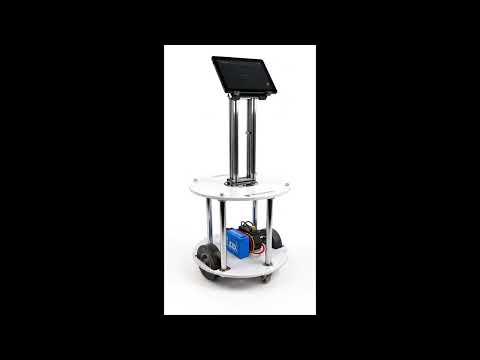
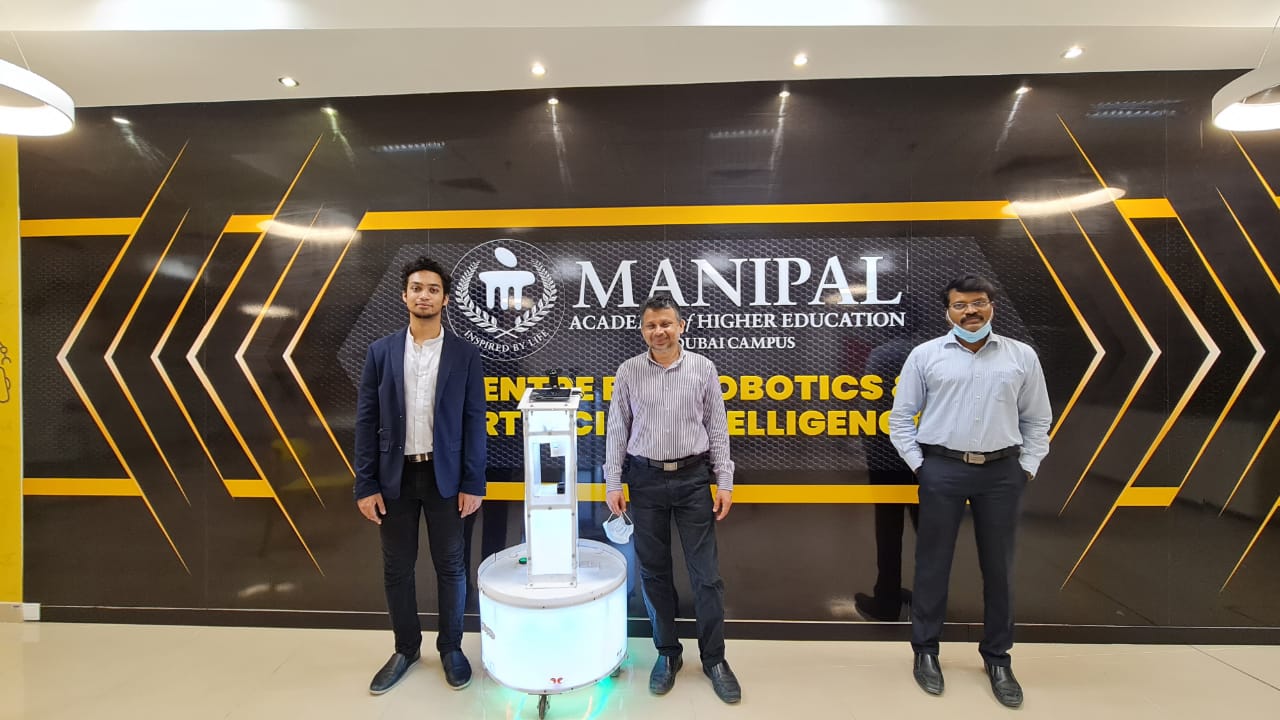
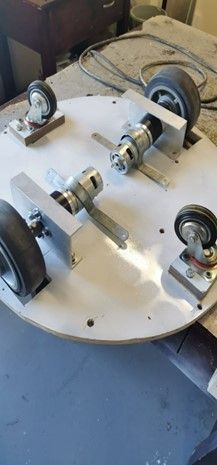
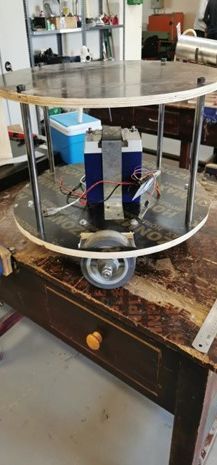
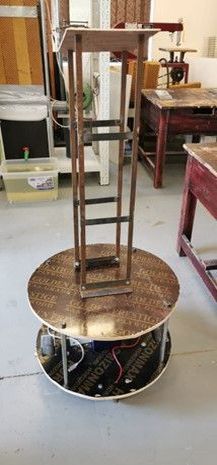
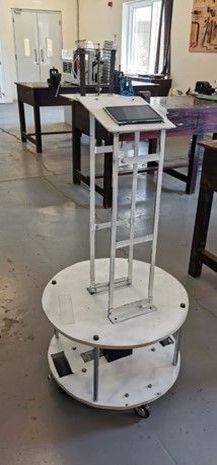
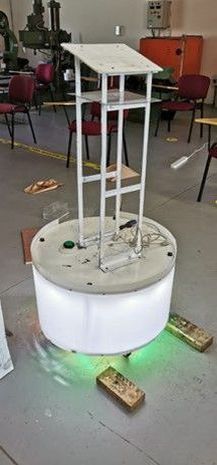
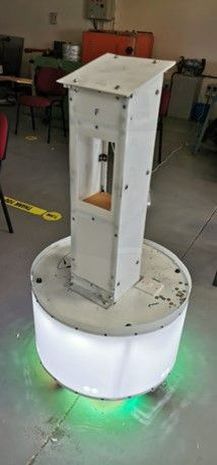
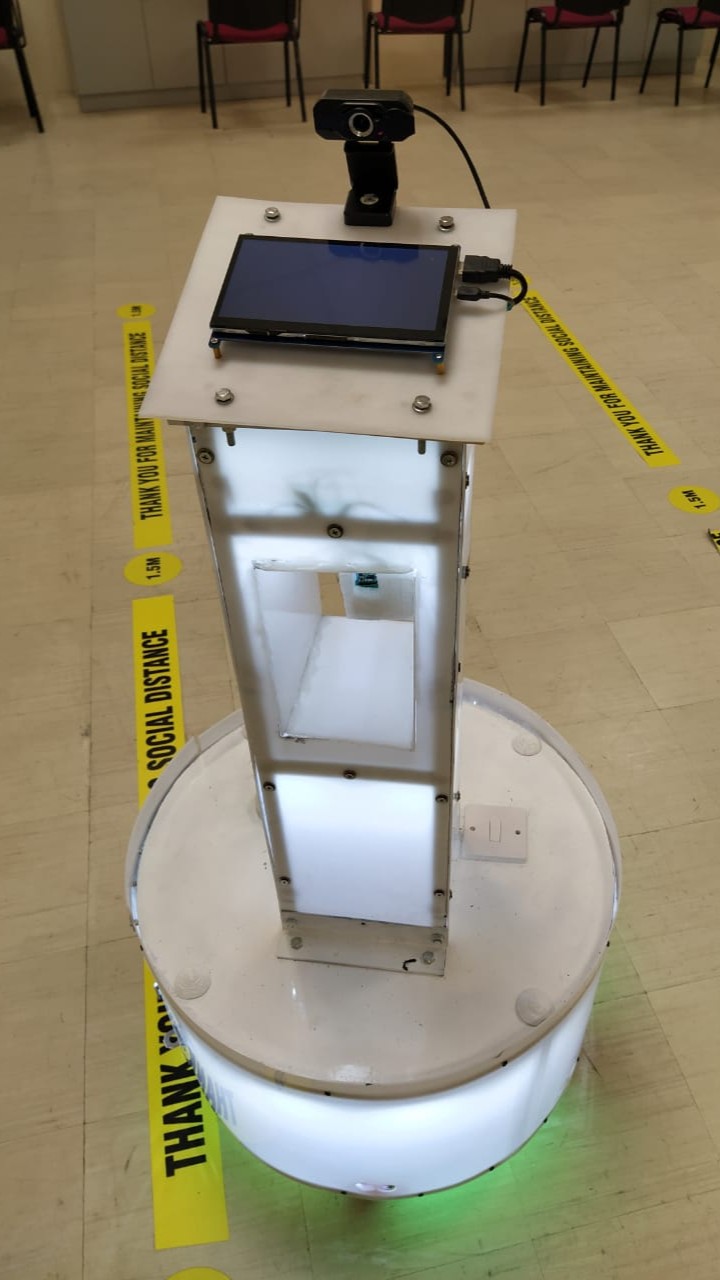
MedRobo is an advanced self-navigating medical robotics platform developed during the pandemic for research and development purposes. The project explores autonomous navigation, computer vision, and human-robot interaction in healthcare settings, providing a flexible testbed for medical robotics innovations. The robot's transformation from base to complete assembly is documented in a step-by-step image series.
Objectives
The key objectives of MedRobo are: 1) To develop a reliable autonomous navigation system for indoor medical environments, 2) To create a modular platform that can be adapted for various healthcare tasks, 3) To integrate computer vision for object detection and human tracking, 4) To provide an open research platform for medical robotics experimentation.
Key Features
Autonomous Navigation
Uses sensor fusion and SLAM algorithms to navigate safely through complex indoor environments without human intervention.
Computer Vision System
Integrates Raspberry Pi camera with OpenCV for real-time object detection, human recognition, and environmental perception.
Modular Design
Features a modular hardware and software architecture that allows easy addition of new sensors, actuators, and capabilities. Transformation from base to complete robot is well documented.
Simulation Pipeline
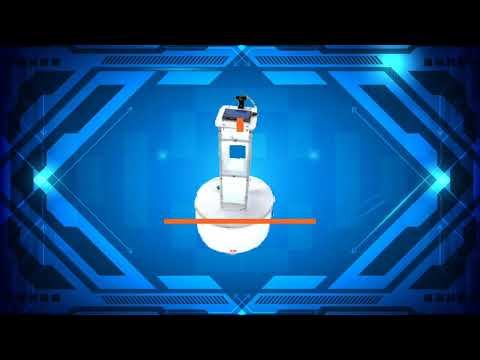
Includes a comprehensive animation and simulation environment for testing algorithms before deployment on the physical robot.
Technology Stack
Hardware
Software
Algorithms
Project Timeline
Concept & Design
Research phase: studied medical robotics requirements, defined specifications, and created initial designs.
Prototype I - Base Platform
Built the motorized base, implemented basic motor control, and tested initial mobility.
Prototype II - Sensors & Navigation
Added ultrasonic and IR sensors, implemented obstacle avoidance, and developed basic navigation algorithms.
Prototype III - Vision & AI
Integrated camera module, implemented OpenCV-based object detection, and added person following capabilities.
Final Integration & Testing
Completed full system integration, created simulation environment, and conducted extensive testing in lab conditions.
Challenges
Results & Achievements
Motor Control Precision
Initial motor control had drift issues affecting navigation accuracy. Solved by implementing PID control with encoder feedback for precise movement.
Navigation Performance
Successfully demonstrated autonomous navigation in various indoor environments with high obstacle avoidance success rate.
Sensor Noise
Ultrasonic sensors produced noisy readings in certain environments. Implemented sensor fusion and Kalman filtering to improve reliability.
Research Platform
Provided a flexible, open research platform for medical robotics experimentation.
Processing Power Limitations
Real-time computer vision strained Raspberry Pi resources. Optimized by using TensorFlow Lite, reducing frame rate, and implementing efficient algorithms.
Complete Documentation
Well-documented transformation from base to complete robot with step-by-step images, plus comprehensive presentation materials.
Project Gallery